Installing a mobile home: terrain, utilities, permits and what to expect
Installing a mobile home needs a level, well-drained base, connections to water, electricity and drainage and a check of local planning rules. A compacted gravel pad suits most plots, off-grid is possible with borehole, solar and septic, and installation and positioning typically take one day. Green Village coordinates everything.
Buying the mobile home is half the story. The other half is getting it properly installed on your land — level, connected to water and electricity, and compliant with local rules. Done well, installation takes a few days and the unit is ready to live in; done poorly, you end up with damp, subsidence or a council enforcement notice.
This guide covers the practical steps from plot to move-in: what the ground needs, which utilities to arrange, whether you need planning permission, what the installation service includes and a realistic timeline for the whole process.
Preparing the terrain
A mobile home sits on a chassis and needs a firm, level base — not a traditional foundation. The most common options are a compacted gravel pad (the cheapest), concrete pads under each support point, or a full concrete slab (the most durable, but rarely necessary). The ground must drain well; standing water under the unit causes corrosion and damp.
Green Village inspects the plot before delivery and advises on the base type. On most rural plots in Portugal, Spain or France, a compacted gravel pad with perimeter drainage is sufficient. Sloped land may need cut-and-fill earthworks first.
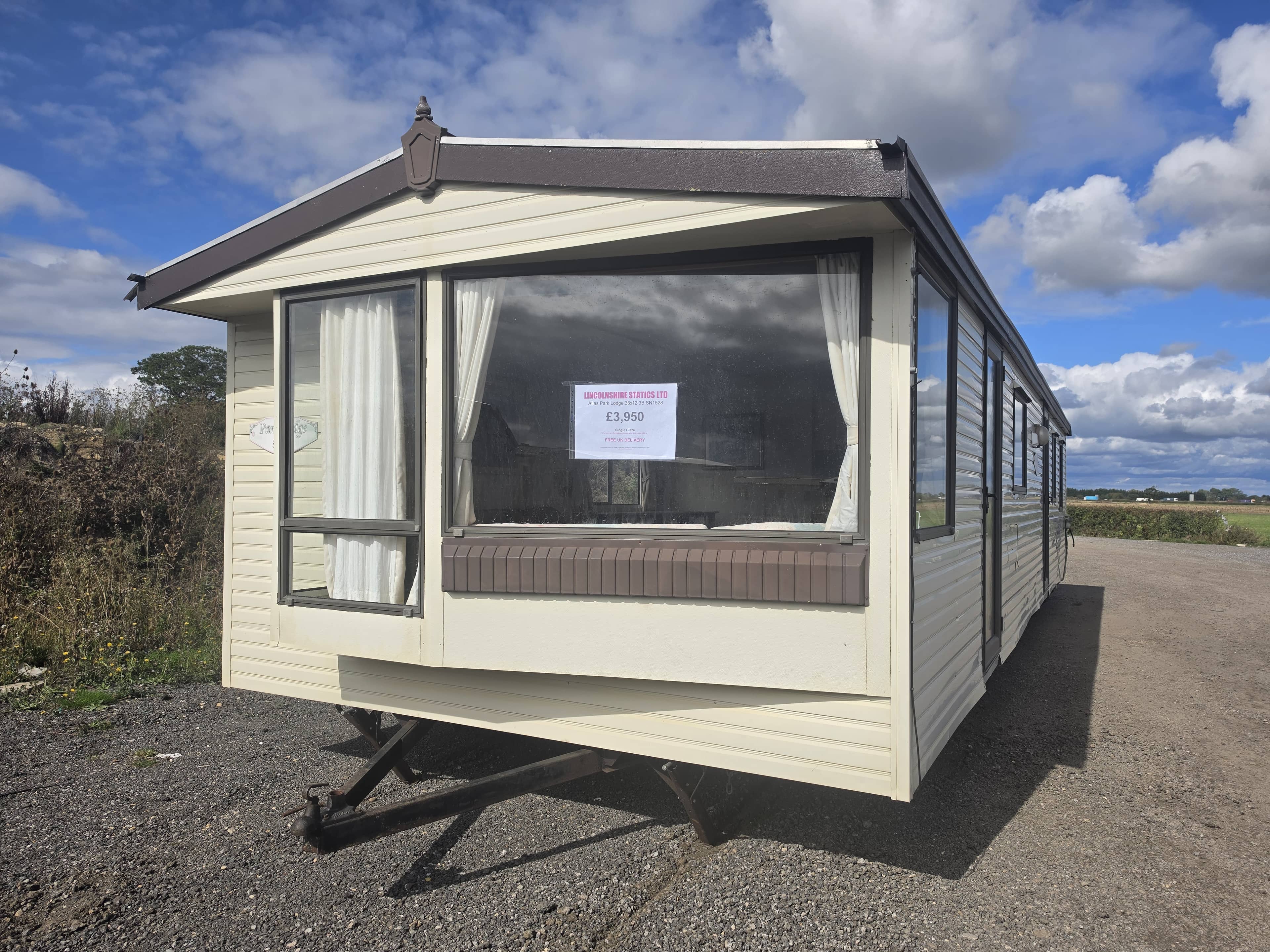
Units available now


Utility connections
Three services need to reach the unit: water, electricity and drainage (sewage or septic). If the plot already has mains connections, the plumber and electrician connect the unit's external hookups — typically a half-day job. Off-grid plots may need a borehole or rainwater tank, a septic system and solar panels.
- Water — mains supply or borehole; the unit's internal plumbing terminates at an external inlet.
- Electricity — mains connection (single-phase 230V is standard) or solar+battery; the unit has an external consumer unit.
- Drainage — mains sewer, septic tank or biodigester; greywater and blackwater pipes exit under the chassis.
- Gas (optional) — bottled LPG for heating/cooking, or electric alternatives.
Do I need planning permission?
It depends on the country and municipality. In Portugal, a mobile home installed with a permanent character (supports, utility connections, dwelling use) is an urban operation under the RJUE: it needs a licence or a prior communication (comunicação prévia) depending on the zone and the PDM — its removable nature does not exempt it — plus an AL registration for tourist use. On a licensed campsite, the unit is one of the park's complementary accommodation installations (Portaria n.º 1320/2008, art. 19.º) — confirm with the park how it fits within the park's licence. On rural land it is possible only where the PDM land-use class admits the use, in practice with a licence; on RAN and REN land construction works are prohibited except for the uses listed in article 22 of Decree-Law 73/2009 and the compatible uses in annex II of Decree-Law 166/2008 (article 20); in protected areas, also check the restrictions that apply. In Spain, the rules vary by autonomous community; in France, a mobile home on wheels may only be sited on an authorised campsite, PRL or classified holiday village — on private land it must lose its wheels and get a déclaration préalable (up to 20 m²) or a permis de construire (above).
The safest step is to ask the local council (Câmara Municipal / Mairie / Ayuntamiento) before buying. Green Village provides a checklist of questions to ask, adapted to the destination country.
Installation and positioning
Installation includes placement and levelling on the prepared base; the delivery team needs clear access to the plot — a track wide enough for the vehicle and overhead clearance (watch for power lines and trees). Positioning and levelling take a few hours; the unit is set on adjustable support legs or concrete pads.
Green Village coordinates the installation and on-site positioning as part of the delivered service.
Timeline: purchase to move-in
A realistic timeline for the full process:
| Phase | Typical duration |
|---|---|
| Choose and reserve the unit | 1–2 weeks |
| Terrain preparation (base, drainage) | 1–3 weeks |
| Transport | Confirmed in your quote |
| Delivery and installation | 1 day |
| Utility connections and finishing | 2–5 days |
In summary
- A compacted gravel pad is enough for most plots — a full slab is rarely needed.
- Water, electricity and drainage must reach the unit; off-grid is possible with borehole + solar + septic.
- Planning rules vary by country and municipality — always check with the local council before buying.
- Installation and positioning typically take one day; Green Village coordinates everything.
Frequently asked questions
Do I need a concrete foundation for a mobile home?
Not usually. A mobile home sits on a chassis and needs a level, well-drained base. A compacted gravel pad is the most common and affordable option; concrete pads under each support point add durability. A full concrete slab is rarely necessary unless the ground is very soft.
Do I need planning permission to install a mobile home?
It depends on the country and municipality. In Portugal, a mobile home installed with a permanent character needs a licence or a prior communication (comunicação prévia) depending on the zone and the PDM — its removable nature does not exempt it; on a licensed campsite, the unit is one of the park's complementary accommodation installations (Portaria n.º 1320/2008, art. 19.º) — confirm with the park how it fits within its licence. In Spain and France, the rules vary by region. Always check with the local council before purchasing.
How long does it take to install a mobile home from start to finish?
From purchase to move-in, the timeline depends on choosing the unit, preparing the terrain, transporting the unit, installation and utility connections, and is confirmed in your quote. The on-site work (installation + connections) is usually done within a week.
Can I install a mobile home off-grid?
Yes. Off-grid installations use a borehole or rainwater tank for water, solar panels with battery storage for electricity, and a septic tank or biodigester for drainage. Green Village advises on the best setup for your plot.