Installare una casa mobile: terreno, allacci, permessi e cosa aspettarsi
Installare una casa mobile richiede una base livellata e ben drenata, di solito un letto di ghiaia compattata, e gli allacci ad acqua, elettricità e scarico, oppure soluzioni fuori rete con pozzo, solare e fossa settica. I permessi variano per paese e comune, quindi verifica sempre prima di acquistare. L’installazione — posizionamento, livellamento e allacciamento ai punti esistenti — è inclusa; la data è confermata per iscritto nel preventivo.
Comprare la casa mobile è solo metà del percorso. L'altra metà è farla installare correttamente sul tuo terreno — livellata, allacciata ad acqua ed elettricità, e conforme alle norme locali. Fatta bene, l'installazione lascia l'unità pronta per essere abitata; fatta male, si finisce con umidità, cedimenti o un avviso di irregolarità del comune.
Questa guida copre i passaggi pratici dal terreno al trasloco: cosa serve al suolo, quali utenze predisporre, se serve un permesso edilizio, come funziona l'installazione e cosa aspettarsi per l'intero processo.
Preparare il terreno
Una casa mobile poggia su un telaio e necessita di una base solida e livellata, non di una fondazione tradizionale. Le opzioni più comuni sono un letto di ghiaia compattata (la più economica), plinti in cemento sotto ogni punto d'appoggio, oppure una soletta in cemento continua (la più durevole, ma raramente necessaria). Il terreno deve drenare bene: l'acqua stagnante sotto l'unità causa corrosione e umidità.
Green Village ispeziona il terreno prima della consegna e consiglia il tipo di base più adatto. Nella maggior parte dei terreni rurali in Portogallo, Spagna o Francia, un letto di ghiaia compattata con drenaggio perimetrale è sufficiente. I terreni in pendenza possono richiedere prima lavori di sbancamento e riporto.
Unità disponibili ora
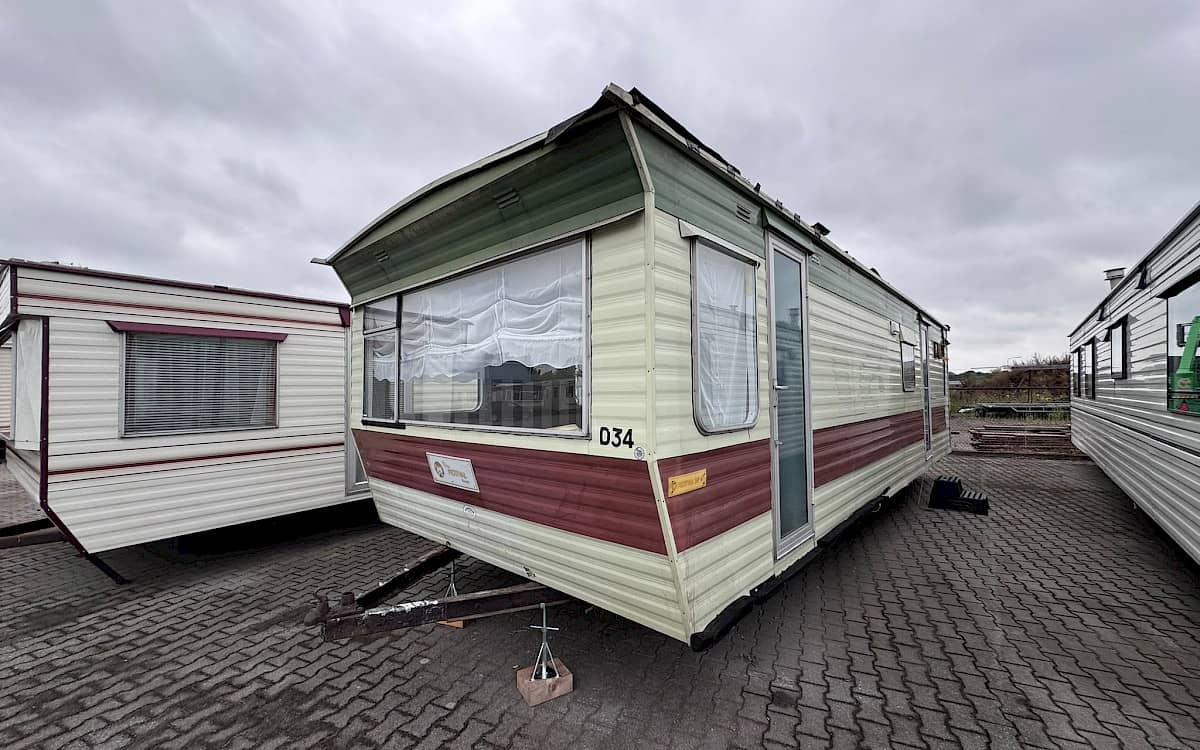
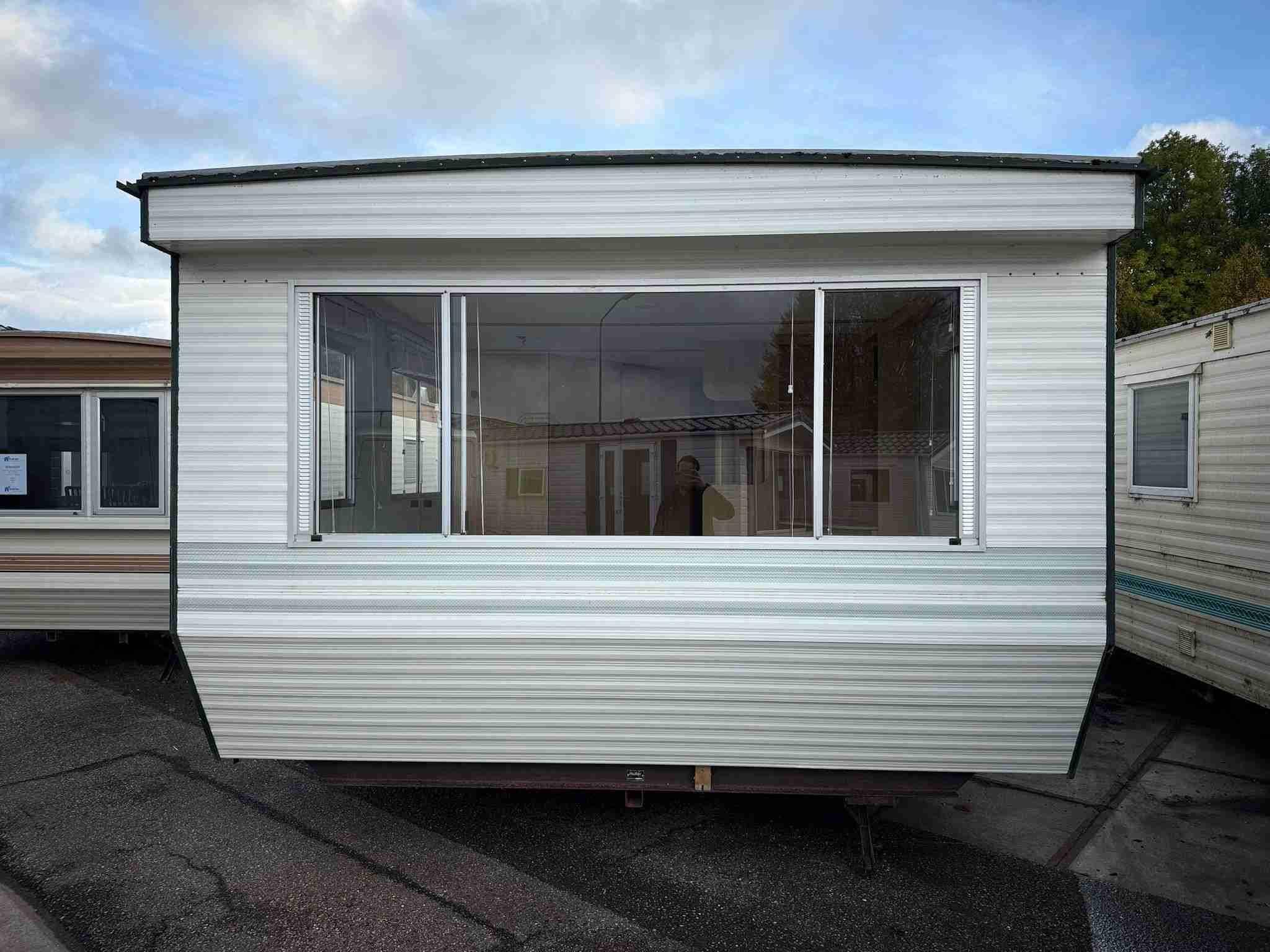


Allacci alle utenze
Tre servizi devono raggiungere l'unità: acqua, elettricità e scarico (fognatura o fossa settica). Se il terreno ha già gli allacci alla rete, l'idraulico e l'elettricista collegano gli attacchi esterni dell'unità — di solito un lavoro di mezza giornata. I terreni non allacciati alla rete possono richiedere un pozzo o una cisterna per l'acqua piovana, un impianto settico e pannelli solari.
- Acqua — allaccio alla rete idrica o pozzo; l'impianto idraulico interno dell'unità termina in un attacco esterno.
- Elettricità — allaccio alla rete (il monofase 230V è lo standard) o solare+batteria; l'unità ha un quadro elettrico esterno.
- Scarico — fognatura comunale, fossa settica o biodigestore; le tubazioni per acque grigie e nere escono sotto il telaio.
- Gas (opzionale) — GPL in bombole per riscaldamento/cucina, o alternative elettriche.
Serve un permesso edilizio?
Dipende dal paese e dal comune. In Portogallo, una casa mobile installata con carattere di permanenza richiede una licença o una comunicação prévia (RJUE) secondo la zona e il PDM — il carattere amovibile non esonera — più la registrazione AL per l'uso turistico; in solo rústico è possibile solo se la classe d'uso lo ammette. In Spagna le regole variano da comunità autonoma a comunità autonoma; in Francia, una casa mobile che conserva le ruote può stare solo in campeggio autorizzato, PRL o villaggio vacanze classificato — su terreno privato va trasformata in costruzione (ruote e timone rimossi) e serve una déclaration préalable fino a 20 m² o un permis de construire oltre.
In Italia conta l'uso, non le ruote: senza permesso di costruire la casa mobile può stare per esigenze stagionali o temporanee, al massimo 180 giorni con comunicazione al comune (art. 6, comma 1, lett. e-bis, DPR 380/2001), oppure con le ruote in funzione in una struttura ricettiva all'aperto autorizzata (art. 3, comma 1, lett. e.5); come abitazione stabile serve il permesso di costruire. Norme, tabella delle situazioni e controlli da fare sono nell'articolo casa mobile su terreno agricolo in Italia.
La cosa più sicura è chiedere al comune competente (Câmara Municipal in Portogallo, Mairie in Francia, Ayuntamiento in Spagna) prima di acquistare. Green Village fornisce una checklist di domande da porre, adattata al paese di destinazione.
Installazione sul terreno
Per l'installazione è necessario un accesso libero al terreno — una via abbastanza larga e uno spazio libero in altezza (attenzione a linee elettriche e alberi). Il posizionamento e il livellamento sono inclusi nel servizio; l'unità viene sistemata su piedini di appoggio regolabili o su plinti in cemento.
Green Village coordina l'installazione in loco come parte del servizio di consegna.
Dall'acquisto al trasloco: cosa aspettarsi
Le fasi del processo, dall'acquisto al trasloco:
| Fase | Dettagli |
|---|---|
| Scegliere e prenotare l'unità | Selezione dal catalogo e conferma dell'ordine |
| Preparazione del terreno (base, drenaggio) | A cura del proprietario, prima della consegna |
| Trasporto | Organizzato da Mobile Home Logistic, incluso nel prezzo consegnato |
| Consegna e installazione | Posizionamento, livellamento e allacci inclusi |
| Allacci alle utenze e finiture | Allacciamento ai punti esistenti incluso; portare acqua, luce e scarico fino al terreno è a cura del proprietario |
| Data di consegna | Confermata per iscritto nel preventivo |
In sintesi
- Un letto di ghiaia compattata basta per la maggior parte dei terreni — una soletta completa raramente è necessaria.
- Acqua, elettricità e scarico devono raggiungere l'unità; è possibile vivere fuori rete con pozzo + solare + fossa settica.
- Le norme urbanistiche variano da paese a paese e da comune a comune — verifica sempre con il comune locale prima di acquistare.
- L'installazione — consegna, posizionamento e livellamento — è coordinata da Green Village.
- Dall'acquisto al trasloco: preparazione del terreno, trasporto e allacci, con data di consegna confermata per iscritto.
Domande frequenti
Serve una fondazione in cemento per una casa mobile?
Di solito no. Una casa mobile poggia su un telaio e necessita di una base livellata e ben drenata. Un letto di ghiaia compattata è l'opzione più comune ed economica; i plinti in cemento sotto ogni punto d'appoggio aggiungono durabilità. Una soletta in cemento completa è raramente necessaria, a meno che il terreno non sia molto cedevole.
Serve un permesso edilizio per installare una casa mobile?
Dipende dal paese e dal comune. In Portogallo, una casa mobile installata con carattere di permanenza richiede una licença o una comunicação prévia secondo il PDM: il carattere amovibile non esonera. In Spagna e Francia le regole variano da regione a regione. Verifica sempre con il comune prima di acquistare.
Quanto tempo serve per installare una casa mobile dall'inizio alla fine?
Dipende dall'origine e dalla disponibilità dell'unità: le unità in stock sono le più rapide. Il processo include la scelta dell'unità, la preparazione del terreno, il trasporto e gli allacci alle utenze; la data di consegna viene sempre confermata per iscritto nel preventivo.
Posso installare una casa mobile fuori rete?
Sì. Le installazioni fuori rete usano un pozzo o una cisterna per l'acqua, pannelli solari con batteria di accumulo per l'elettricità, e una fossa settica o un biodigestore per lo scarico. Green Village consiglia la soluzione migliore per il tuo terreno.